Bloodhound

Height58–69 cm (23–27 in)
Weight36–50 kg (79–110 lbs)
TypeHound
Life Expectancy10–12 yrs
OriginBelgium
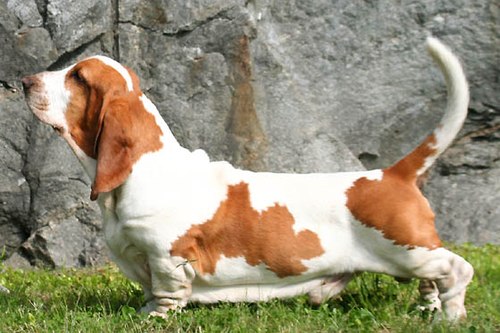
The world's greatest tracking dog with a nose that can follow a scent trail for miles. Bloodhounds are gentle, patient, and deeply affectionate but incredibly stubborn when on a trail.
Breed Ratings
Personality
Intelligence
3/5
Trainability
2/5
Playfulness
3/5
Energy Level
3/5
Social
Good with Kids
4/5
Good with Dogs
4/5
Good with Strangers
4/5
Lifestyle
Apartment Friendly
1/5
Exercise Needs
4/5
Watchdog Ability
2/5
Barking Level
4/5
Care
Shedding
3/5
Grooming Needs
2/5
Health Robustness
2/5
Where Are Bloodhounds From?
Bloodhounds are among the oldest scent hound breeds, with origins tracing to 7th-century Belgium where monks at the Monastery of Saint-Hubert bred them for tracking. The name “Bloodhound” doesn’t refer to tracking blood — it means “blooded hound,” indicating their aristocratic pedigree. They were refined by European nobility for centuries before becoming the gold standard for tracking in law enforcement. A Bloodhound’s trailing evidence was the first scent-based evidence accepted in an American court of law.
What Is It Like Living With a Bloodhound?
Bloodhounds are paradoxical: phenomenally skilled trackers yet hopelessly goofy at home. On a scent trail, they’re focused and unstoppable. Off-trail, they’re droopy, clumsy, affectionate dogs who knock things over with their tails and drool on everything within reach. They’re gentle giants who adore children and tolerate being climbed on with saintly patience. Bloodhounds are independent thinkers — once they lock onto a scent, no command on earth will call them off. This isn’t disobedience; it’s a 1,300-year-old instinct operating exactly as designed.
How Much Exercise Does a Bloodhound Need?
Bloodhounds need 60–90 minutes of exercise daily, ideally including opportunities to use their extraordinary nose. Scent work, tracking exercises, and long exploratory walks satisfy their deepest drives. A Bloodhound on a scent trail is a force of nature — they pull with surprising power for their build. A secure, high fence is essential because they will follow an interesting scent over, under, or through obstacles.
How Often Do You Need to Groom a Bloodhound?
The short coat needs weekly brushing. The real grooming challenge is the skin and ears: facial wrinkles need daily cleaning, the pendulous ears require weekly attention to prevent infections, and the drool is constant and prodigious. Health concerns include bloat (GDV, a leading cause of death in the breed), hip and elbow dysplasia, ear infections, entropion, cherry eye, and skin fold dermatitis. Their average lifespan of 7–10 years is relatively short.
Are Bloodhounds Healthy?
Bloodhounds are ideal for patient, experienced owners with large fenced properties, search-and-rescue handlers, and families who embrace a messy, lovable giant. They are definitively not apartment dogs, not for neat freaks, and not for anyone who wants a dog that comes when called every time. The surprising fact: a Bloodhound can detect scent trails over 300 hours old and follow them for more than 130 miles. One Bloodhound named Nick Carter was credited with over 600 criminal captures during his tracking career.
Our Honest Take on the Bloodhound
Bloodhounds are gentle, affectionate, and genuinely one of the most lovable large breeds in existence. They're also among the most challenging to own practically — between their nose, their volume, their drool, and their stubbornness, they're a breed that suits a very specific type of person.
Common Mistakes New Owners Make
- 1Underestimating their scent drive. A Bloodhound on a scent trail is essentially unreachable by conventional recall methods. They must be on leash or in a securely fenced yard at all times — without exception. An escaped Bloodhound can cover miles before stopping.
- 2Not preparing for the drool. Bloodhounds drool constantly and dramatically — especially after drinking water. This isn't occasional; it's a defining physical reality of the breed. Walls, furniture, and guests will all be affected.
- 3Ignoring bloat risk. Deep-chested giant breeds are serious GDV candidates. Prophylactic gastropexy at spay/neuter, feeding from ground level, and splitting meals are all important preventive measures.
- 4Expecting vocal compliance. Bloodhounds bay loudly and with great conviction when excited, bored, or on a trail. This is instinctual, not trainable away — apartment living or noise-restricted neighborhoods are not appropriate environments.
Who Should Think Twice
Bloodhounds are wrong for apartment dwellers, anyone with noise-sensitive neighbors, people who dislike drool, owners who can't provide securely fenced outdoor space, or those who need a highly responsive, recall-reliable dog. They reward owners who love their quirks unconditionally.
Real Costs in 2026
Bloodhound puppies from reputable breeders: $700–$2,000 in 2026. Annual costs: food ~$70/month for a 90–130 lb dog, routine vet ~$600/year. Ear infections are a recurring expense given those iconic long ears — budget $300–$500/year for ear care. Bloat emergency surgery if needed: $3,000–$8,000. Skin fold dermatitis around the face requires weekly cleaning. Total annual costs of $2,000–$3,000 are realistic.
Living With a Bloodhound: Year by Year
Bloodhound puppyhood (0-12 months) is enormous and gangly. They hit 70-80 pounds by month 6 and have zero coordination over their growing frame. Crate training is non-negotiable; left loose, a Bloodhound puppy can demolish drywall in an afternoon. Housetraining is slow (month 7-9). Adolescence (1-3 years) is the genuine challenge - the nose switches on at maximum power around month 14 and recall becomes essentially impossible without a long-line. They are sensitive dogs despite the size and harsh handling produces shutdown or escalation. Prime adulthood (3-8 years) is when the breed reveals its quiet, gentle nature - dignified, patient with children, deeply tuned to household routine. They are not goofy adult dogs in the Lab sense; they are reserved and observant. Senior years (8+) come early and hard. Average lifespan is only 8-10 years - shorter than almost any other breed in this batch - and bloat, ear infections, hip dysplasia, and entropion are common. Plan for the short timeline.
The Training Reality
Bloodhounds are intelligent in their domain (scent) and unmotivated in others. Food works modestly; novelty matters more than treat value. Marker training is achievable but progresses slowly. Most are housetrained by month 7-9. Realistic ceiling: foundation obedience in the home, scent work or mantrailing at world-class level if pursued, no off-leash reliability outdoors ever. A Bloodhound on a scent is gone for the duration of the scent - they have been documented following trails for over 100 hours. Common failures: harsh corrections produce shutdown (they are physically tough but emotionally soft), expecting Lab-style trainability, and underestimating the management overhead of a 90-110 pound scent hound. The drool, the baying, the slobber, the destructive chewing through adolescence - these are the realities, not exceptions. Hire a trainer with hound experience specifically. Start training week 9.
A Day in the Life
Morning needs are 60-90 minutes of scent-rich walking - not jogging, not running, but methodical sniffing on a long-line. They are not athletes in the Vizsla sense. They drool constantly, fling slobber on shake, and leave wet streaks on walls and trousers - this is the breed and cannot be reduced. Mid-day they sleep 13-15 hours, often draped in furniture-destroying poses. They bay (a deep, carrying howl) at things that interest them and the volume carries half a mile - rural living is genuinely better suited. Owners are surprised by the shedding (heavy for a short coat), the ear maintenance (weekly cleaning, often more), the food costs (they eat 4-6 cups of premium food daily), and the property destruction during adolescence. Evening involves couch claiming and family proximity. They are gentle with children but their tail-wagging force can knock toddlers over.
How Bloodhounds Compare to Similar Breeds
Versus the Basset Hound: same scent-hound family but Bassets are smaller, longer-lived, and more apartment-friendly; Bloodhounds need acreage. Versus the Coonhound (any variety): Coonhounds are leaner, more athletic, and slightly more biddable but louder; Bloodhounds are heavier and slobberier. Versus the Saint Bernard: similar size and drool levels but Saints are guardian-oriented and less driven; Bloodhounds are scent-obsessed and need that outlet.
Great For
- Families with children
- Multi-pet households
- Social, outgoing lifestyles
Think Twice If
- You need a quiet dog
- You live in a small apartment
- You're a first-time owner
- Vet bills are a concern
Are Bloodhounds Prone to Health Issues?
Bloodhounds are predisposed to: bloat, hip dysplasia, ear infections, skin fold dermatitis. Regular vet checkups and health screening are strongly recommended.
Health Robustness
2/5
How Much Does a Bloodhound Cost?
Purchase Price
$700–$2,000
Monthly Food
$70
Annual Vet
$600
Annual Grooming
$100
Est. First Year
~$2,890
Est. Annual
~$1,540
Recommended Gear
Affiliate disclosure: The links below are affiliate links. As an Amazon Associate, we earn a commission from qualifying purchases at no extra cost to you. This never influences which products we recommend.
Best For
Looking for Bloodhound name ideas?
Browse 100+ names by gender and category.
Compare Bloodhound
Related Breeds
Other Hound breeds you might like


Frequently Asked Questions
How much does a Bloodhound cost?
A Bloodhound puppy typically costs $700–$2,000. The estimated first-year cost including food, vet visits, and grooming is around $2,890, with ongoing annual costs of approximately $1,540.
How long do Bloodhounds live?
Bloodhounds have an average lifespan of 10 to 12 years. Common health concerns include bloat, hip dysplasia, ear infections, skin fold dermatitis.
Are Bloodhounds good with kids?
Bloodhounds score 4/5 for being good with children. They are generally excellent family dogs and get along well with children of all ages.
Do Bloodhounds shed a lot?
Bloodhounds have a shedding level of 3/5. They shed moderately and benefit from regular brushing.
Are Bloodhounds good for apartments?
Bloodhounds score 1/5 for apartment friendliness. They are better suited to homes with yards and ample space to move around.