Chihuahua
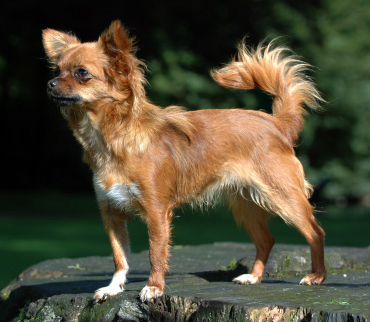
Height15–23 cm (6–9 in)
Weight1–3 kg (2–7 lbs)
TypeToy
Life Expectancy14–18 yrs
OriginMexico
The world's smallest dog breed with the biggest attitude. Chihuahuas are fiercely loyal to their chosen person and pack enormous personality into their tiny frame.
Breed Ratings
Personality
Intelligence
3/5
Trainability
2/5
Playfulness
4/5
Energy Level
3/5
Social
Good with Kids
1/5
Good with Dogs
2/5
Good with Strangers
2/5
Lifestyle
Apartment Friendly
5/5
Exercise Needs
2/5
Watchdog Ability
4/5
Barking Level
5/5
Care
Shedding
2/5
Grooming Needs
1/5
Health Robustness
3/5
Where Are Chihuahuas From?
The Chihuahua’s origins are debated, but the leading theory traces them to the Techichi, a small companion dog kept by the Toltec civilization in Mexico as early as the 9th century. When the Aztecs conquered the Toltecs, they adopted the Techichi and believed the dogs could guide souls through the underworld. Modern Chihuahuas were discovered in the Mexican state of Chihuahua in the 1850s by American travelers, who brought them across the border and began breeding them. Archaeological evidence suggests the breed has remained virtually unchanged for over a thousand years.
What Is It Like Living With a Chihuahua?
Chihuahuas are fearless to the point of absurdity. They’ll challenge Great Danes, bark at thunderstorms, and guard their chosen person with a intensity that would be terrifying if it came from a larger animal. This boldness stems from genuine confidence, not anxiety — a well-socialized Chihuahua isn’t nervous, just opinionated. They bond to one or two people with extraordinary devotion and can be cool or snappish with everyone else. Chihuahuas are more intelligent than they get credit for and manipulate their owners with impressive skill.
How Much Exercise Does a Chihuahua Need?
Chihuahuas need just 20–30 minutes of daily exercise. Short walks and indoor play satisfy their physical needs. Despite their tiny size, they enjoy brisk walks and have more energy than the purse-dog stereotype suggests. Mental stimulation through puzzle toys and training keeps them sharp. Chihuahuas are sensitive to cold — that famous shivering isn’t always fear; their tiny bodies lose heat quickly, and a sweater in winter is practical, not just fashionable.
How Often Do You Need to Groom a Chihuahua?
Smooth-coat Chihuahuas need minimal grooming; long-coat varieties require brushing two to three times weekly. Health concerns include patellar luxation (extremely prevalent), dental disease (the small jaw crowds teeth severely), hydrocephalus, heart murmurs (particularly mitral valve disease), tracheal collapse, and hypoglycemia. Moleras — soft spots on the skull similar to human infant fontanelles — persist in many adult Chihuahuas and make head trauma especially dangerous.
Are Chihuahuas Healthy?
Chihuahuas suit apartment dwellers, singles, seniors, and dedicated owners who appreciate a big personality in a tiny package. They’re genuinely not recommended for families with children under eight (Chihuahuas bite when frightened, and they frighten easily around unpredictable kids) or people who want an instantly social, everyone-loving dog. The surprising fact: Chihuahuas have the largest brain-to-body ratio of any dog breed, and they consistently score higher on problem-solving tests than many breeds ten times their size.
Our Honest Take on the Chihuahua
Chihuahuas are the most misunderstood breed in America — dismissed as 'ankle biters' when they're actually complex, intelligent dogs whose behavior problems are almost entirely created by owners who fail to treat them like dogs.
Common Mistakes New Owners Make
- 1Skipping obedience training because 'they're too small to matter.' Chihuahuas that are never trained become resource guarders, biters, and chronically anxious dogs. Size doesn't exempt them from needing structure and boundaries.
- 2Ignoring dental health. Chihuahuas have some of the worst dental disease of any breed by age 5. Crowded teeth in a tiny jaw trap food and calculus aggressively. Weekly brushing and annual professional cleanings are non-optional for quality of life.
- 3Letting them become 'one-person dogs.' Chihuahuas bond intensely — but without early socialization with varied people, that bond becomes anxiety-fueled possessiveness. A well-socialized Chihuahua is friendly; an unsocialized one is bitey.
- 4Buying 'teacup' Chihuahuas. Chihuahuas under 3 lbs are not a special variety — they're undersized dogs with elevated risks of hypoglycemia, bone fractures, heart defects, and hydrocephalus (fluid on the brain, which causes seizures).
Who Should Think Twice
Chihuahuas are wrong for families with very young children who might accidentally injure a 3–6 lb dog, owners who want to skip training because of the dog's size, or anyone drawn to 'teacup' or 'micro' sizes being marketed at premium prices. They're excellent companions for adults who respect them as real dogs.
Real Costs in 2026
Chihuahua puppies from reputable breeders: $400–$1,500 in 2026. One of the cheapest breeds to feed — they eat so little that food costs ~$20/month. Annual vet costs: ~$450/year. The ongoing hidden cost is dental care — professional cleanings under anesthesia cost $300–$700 and are needed every 1–2 years. Heart disease in later life may add $500–$1,500/year in medications and monitoring. Overall one of the most affordable breeds to own.
Living With a Chihuahua: Year by Year
Chihuahua puppyhood (0-12 months) is fragile both physically and behaviorally. Hypoglycemia is a real risk under 6 months - keep Karo syrup on hand. Socialization windows close hard around week 16, and undersocialized Chis become the snapping ankle-biters of stereotype. Adolescence (1-3 years) is when the resource guarding crystallizes: the couch, the owner's lap, food bowls. This is also when reactive barking at strangers and dogs becomes a habit if uncorrected. Prime adulthood (3-8 years) is actually delightful with the right Chi - bonded deeply to one or two people, surprisingly athletic on walks, capable of agility-style tricks. Senior years (8+) are unusually long; many live to 16-18. Expect dental disease (90 percent have periodontal issues by age 4), luxating patellas, hydrocephalus signs in apple-heads, and heart murmurs. The last 3 years often involve daily medication regimens. Owners are surprised by how cat-like adult Chihuahuas can be.
The Training Reality
Chihuahuas are highly trainable - the cultural belief that they are not is mostly a function of owners not bothering. They respond exceptionally well to marker training and shaping. The catch: traditional collar-and-leash corrections damage their tracheas (use a harness, always) and they shut down under harsh handling. Most are housetrained by month 6-7 indoors, but cold weather is a permanent obstacle - a Chi will refuse to potty in snow or rain at 14 weeks and at 14 years. Have a pee pad strategy. Realistic ceiling is high: agility titles, trick titles, therapy work, off-leash reliability in low-distraction settings. The actual ceiling on most pet Chis is much lower because owners carry them everywhere and never expect compliance. The biggest training failure is the small-dog exception - laughing at growling at age 1 produces a biter at age 3.
A Day in the Life
Morning starts with the Chi burrowed under blankets, refusing to emerge until the room is warm. They are genuinely cold-intolerant below 60F - a sweater in the house in winter is not vanity. Walks of 20-30 minutes are plenty; they tire fast on hot pavement and their pads burn easily. Mid-day they sleep 14-16 hours, often inside a hoodie or under a throw. They bark at the doorbell with surprising volume and stamina. Owners are surprised by their food motivation (they will eat continuously if allowed and become obese on 75 calories of overage daily) and by their attachment specificity - many genuinely prefer one person and tolerate the rest of the household. They shiver when excited, cold, or anxious; the shiver is not always distress. Evening involves intense lap-time, occasional zoomies around 8pm, and a strong preference for sleeping in the human bed, under the covers.
How Chihuahuas Compare to Similar Breeds
Versus the Pomeranian: Poms are fluffier, more confident with strangers, and bark more variably; Chis are more attached to one person and quieter overall but more reactive when they do bark. Versus the Yorkie: Yorkies have stronger prey drive and need professional grooming; Chis are lower maintenance coat-wise and longer-lived. Versus the Miniature Pinscher: Min Pins are higher-energy and more athletic but less affectionate - if you want a tiny dog that wants to be in your lap 8 hours a day, get a Chi.
Great For
- Apartment living
- Allergy-conscious homes
- Home security
Think Twice If
- You need a quiet dog
- You have young children
- You're a first-time owner
- You have frequent guests
Are Chihuahuas Prone to Health Issues?
Chihuahuas are predisposed to: patellar luxation, heart disease, hydrocephalus, hypoglycemia. Regular vet visits and a healthy diet help prevent common issues.
Health Robustness
3/5
How Much Does a Chihuahua Cost?
Purchase Price
$400–$1,500
Monthly Food
$20
Annual Vet
$450
Annual Grooming
$100
Est. First Year
~$1,740
Est. Annual
~$790
Recommended Gear
Affiliate disclosure: The links below are affiliate links. As an Amazon Associate, we earn a commission from qualifying purchases at no extra cost to you. This never influences which products we recommend.
Best For
Looking for Chihuahua name ideas?
Browse 100+ names by gender and category.
Compare Chihuahua
Related Breeds
Other Toy breeds you might like


Frequently Asked Questions
How much does a Chihuahua cost?
A Chihuahua puppy typically costs $400–$1,500. The estimated first-year cost including food, vet visits, and grooming is around $1,740, with ongoing annual costs of approximately $790.
How long do Chihuahuas live?
Chihuahuas have an average lifespan of 14 to 18 years. Common health concerns include patellar luxation, heart disease, hydrocephalus, hypoglycemia.
Are Chihuahuas good with kids?
Chihuahuas score 1/5 for being good with children. They may not be the best choice for families with young children and require careful supervision.
Do Chihuahuas shed a lot?
Chihuahuas have a shedding level of 2/5. They are relatively low shedders but still need occasional grooming.
Are Chihuahuas good for apartments?
Chihuahuas score 5/5 for apartment friendliness. They adapt very well to apartment living and don't require a large yard.